Skip to content
First 20 students get 50% discount.
Login/Register
Call: +918298628674
Email: support@jmcstudyhub.com
JMC Study Hub
  • Category
    • UGC-NET Exam
  • Home
  • About Us
  • Courses
    • UGC NET Paper-I
    • UGC NET Paper-II
    • CUET Mass Communication (UG)
    • Computer & AI Classes
    • Mock Tests
  • Study Resources
    • Quicky
    • Library
    • Previous Year Papers
    • JMC Sahitya
    • JMC Interviews
    • Mass Communication Personalities
    • Major Landmarks
0

Currently Empty: ₹0.00

Continue shopping

Try for free
JMC Study Hub
  • Home
  • About Us
  • Courses
    • UGC NET Paper-I
    • UGC NET Paper-II
    • CUET Mass Communication (UG)
    • Computer & AI Classes
    • Mock Tests
  • Study Resources
    • Quicky
    • Library
    • Previous Year Papers
    • JMC Sahitya
    • JMC Interviews
    • Mass Communication Personalities
    • Major Landmarks

New media have facilitated the type of communication which is

Breadcrumb Abstract Shape
Dec 2012 (II)

New media have facilitated the type of communication which is

  • March 1, 2025
  • Com 0

New media have facilitated the type of communication which is

(A) Abstract

(B) Conceptual

(C) Public

(D) Interactive

Correct Ans: (D)

Explanation:

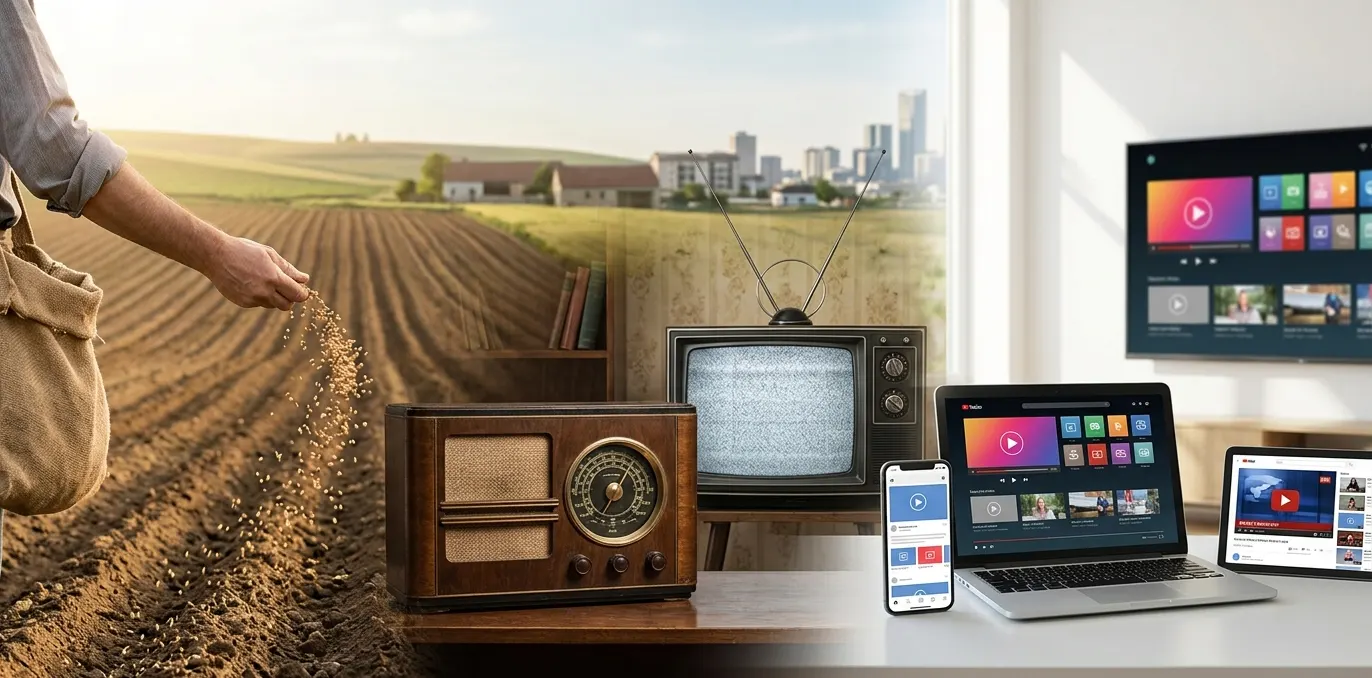
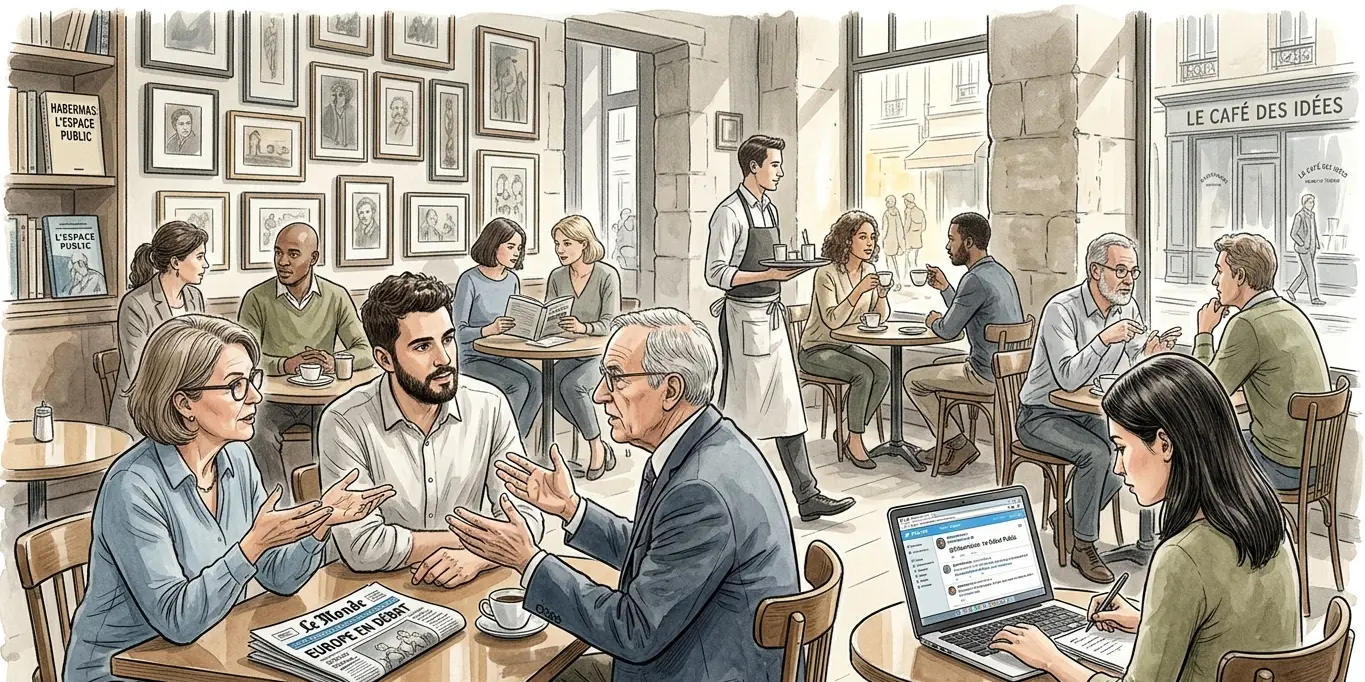
New media has revolutionized communication by making it more interactive. Unlike traditional media, which allows one-way communication, new media enables real-time engagement between users. Digital platforms, such as social media, blogs, and messaging apps, encourage active participation. People can instantly share opinions, comment on posts, and engage in discussions.

Moreover, interactive communication allows direct feedback. Users can express thoughts, ask questions, and receive responses immediately. This feature enhances user experience and makes communication more dynamic. Businesses, educators, and content creators benefit from this interaction by understanding their audience better.

Additionally, interactivity in new media fosters collaboration. Online forums, live streams, and virtual meetings enable people to work together despite geographical barriers. This global connectivity promotes knowledge sharing and innovation. As a result, digital platforms have become essential for education, marketing, and social networking.

Furthermore, interactive media personalizes communication. Algorithms analyze user behavior and tailor content accordingly. This customization improves user engagement and satisfaction. Consequently, individuals feel more connected to brands, communities, and information sources.

Thus, new media continues to reshape how people interact, breaking traditional communication barriers. It enhances engagement, fosters relationships, and makes information exchange more efficient.


Assistant Professor
Dr. Ranjan Kumar

Founder & Educator

Tags:
AbstractblogsCommunicationConceptualdigital platformsinteractivemessaging appsNew Mediaone-way communicationpublicsocial mediatraditional media
Share on:
Dr. Ranjan Kumar

Founder & Educator

New India was established by
The Times of India has launched its edition from

Leave a Reply Cancel reply

Your email address will not be published. Required fields are marked *

© 2026 - EduBlink. All Rights Reserved. Proudly powered by DevsBlink
JMC Study Hub
Sign inSign up

Sign in

Don’t have an account? Sign up
Lost your password?

Sign up

Already have an account? Sign in
Need help ?
WhatsApp
Hello, welcome to “JMC Study Hub”. How can we assist you?
Open chat